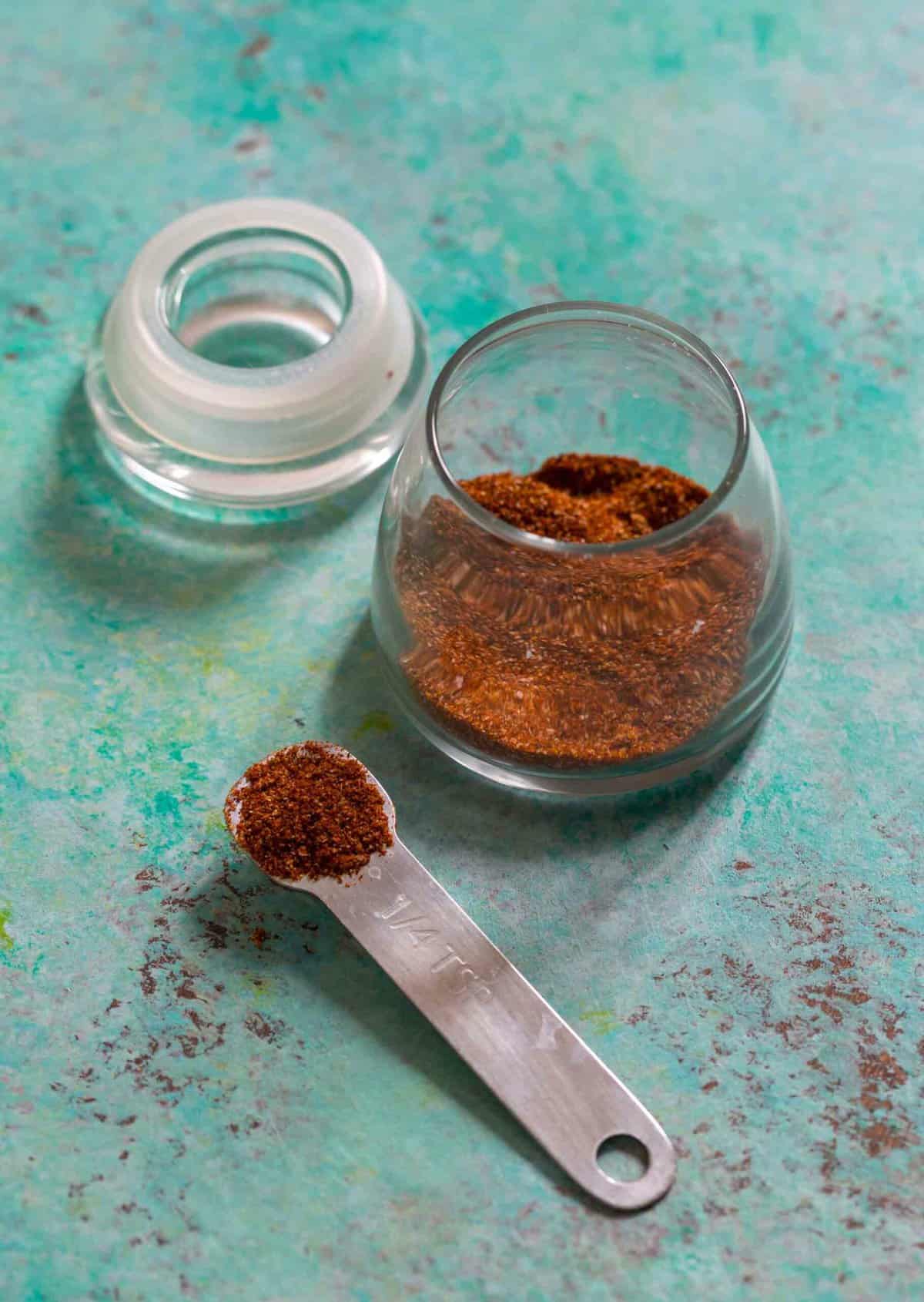
Tired of store-bought fajita seasoning packets that promise flavor but deliver a one-note, overly salty experience? Imagine a world where your fajitas burst with exactly the right balance of smoky, spicy, and savory notes, perfectly tailored to your taste buds. The secret lies in taking control and crafting your very own fajita seasoning blends at home. Not only does this empower you with unparalleled flavor customization, but it also opens up a healthier, more cost-effective, and incredibly satisfying way to cook one of your favorite dishes.
Making your own fajita seasoning is a culinary game-changer. It allows you to experiment with different heat levels, enhance specific aromatics, and avoid the additives and excessive sodium often found in commercial mixes. Whether you're a seasoned chef or a home cook looking to elevate your weeknight meals, diving into the world of DIY spice blends is a rewarding journey that promises bolder, fresher flavors for your chicken, beef, shrimp, or vegetarian fajitas.
Why DIY Your Fajita Seasoning? The Benefits of Homemade Blends
Embracing the do-it-yourself approach for your fajita seasoning brings a wealth of advantages that go far beyond just saving a few pennies. It's about culinary freedom, health, and discovering your perfect flavor profile.
Unparalleled Flavor Control
Perhaps the most compelling reason to mix your own fajita seasoning is the ability to fine-tune every single component. Do you love a fiery kick? Amp up the cayenne. Prefer a smokier depth? Increase the smoked paprika. Concerned about sodium intake? You control the salt, adding only what you need to enhance, not overpower, your ingredients. Store-bought packets are designed for a general palate, often missing the nuanced complexities that a custom blend can provide. With homemade seasoning, you'll achieve a freshness and vibrancy that pre-packaged alternatives simply can't match, making every bite of your fajitas a more exciting experience.
A Healthier Choice, Fewer Additives
Take a moment to read the ingredient list on a typical store-bought fajita seasoning packet. You might find anti-caking agents, artificial flavors, excessive sugar, or even MSG. When you create your own blend, you know exactly what goes into it: pure, unadulterated spices. This means cleaner eating and the avoidance of unnecessary fillers and preservatives. It's particularly beneficial for those with dietary restrictions or allergies, as you can ensure your blend is gluten-free, low-sodium, or free of specific allergens, giving you peace of mind with every delicious meal.
Cost-Effective and Convenient
While the initial investment in individual spices might seem higher, buying spices in bulk or even small quantities to mix your own blend is far more economical in the long run than repeatedly purchasing small packets. Most of the core ingredients for fajita seasoning are pantry staples that you likely already have on hand for other dishes. This convenience means you're never scrambling for a seasoning packet when a fajita craving strikes. A well-stocked spice rack, complete with your custom blend, ensures you're always ready to whip up a flavorful meal without a last-minute grocery run.
The Essential Building Blocks of a Classic Fajita Seasoning
Every great fajita seasoning blend starts with a foundation of key spices. Understanding these core components is the first step to crafting a blend that truly sings. While the exact ratios can vary based on personal preference, these ingredients form the heart and soul of authentic fajita flavor.
The Core Spices: Flavor & Depth
- Chili Powder: This is the backbone of most Tex-Mex and Southwestern seasonings. It's typically a blend itself, containing ground chiles, cumin, garlic powder, and oregano. For your fajita seasoning, it provides a warm, earthy base.
- Cumin: Indispensable for its distinctive warm, earthy, and slightly pungent flavor, cumin is a hallmark of Mexican and Southwestern cuisine. It adds depth and authenticity to your blend.
- Paprika (Sweet or Smoked): Sweet paprika offers a mild, sweet pepper flavor and vibrant red color. Smoked paprika, however, is a game-changer, imparting a rich, smoky essence that beautifully complements the grilled nature of fajitas. Many prefer a mix of both for complexity.
- Dried Oregano: Mexican oregano tends to have a more robust, citrusy, and earthy flavor than Mediterranean oregano. It adds a crucial herbaceous note that ties the other spices together.
Aromatic Boosters & Heat Components
- Garlic Powder & Onion Powder: These provide a concentrated, savory aromatic base without the moisture of fresh garlic or onion, ensuring a shelf-stable seasoning mix. They are essential for depth of flavor.
- Cayenne Pepper or Red Pepper Flakes: If you enjoy a bit of heat, cayenne pepper is your go-to. Start with a small amount and adjust to your desired spice level. Red pepper flakes can also be used, offering a slightly different texture and burst of heat.
Salt and Pepper: The Fundamental Enhancers
- Salt: Essential for bringing out and balancing all the other flavors. Fine sea salt or kosher salt are excellent choices. Remember, you can always add more at the table, but you can't take it away once mixed.
- Black Pepper: Freshly ground black pepper adds a sharp, pungent note that rounds out the savory profile.
Optional Twists for Unique Blends
Once you've mastered the basics, feel free to experiment with these additions:
- Brown Sugar: A touch of brown sugar can add a subtle sweetness that balances the spices and helps caramelize the meat and vegetables during cooking.
- Chipotle Powder: For a deeper, smokier heat than regular chili powder or cayenne, chipotle powder (made from smoked, dried jalapeños) is fantastic.
- Ground Coriander: Offers a bright, citrusy, and slightly sweet note that pairs beautifully with cumin.
- Lime Zest Powder: A unique addition for a hint of bright, zesty citrus without adding moisture.
For more innovative and exciting ways to use these ingredients and create truly unique flavor profiles, be sure to Discover Creative Fajita Seasoning Ideas for Any Meal.
Crafting Your Signature Blend: Recipes and Ratios
Now for the fun part: mixing your own signature fajita seasoning! These recipes provide a great starting point, but remember, they are merely guidelines. Feel free to adjust the ratios to suit your personal preference. Always mix a small batch first to test the flavor, then scale up for larger quantities.
Classic Mild Fajita Seasoning Blend (Our Starter Recipe)
This blend offers a balanced, crowd-pleasing flavor that's perfect for any fajita night.
- 2 tablespoons chili powder
- 1 tablespoon ground cumin
- 1 tablespoon smoked paprika (or a mix of sweet and smoked)
- 1 teaspoon dried Mexican oregano
- 1 teaspoon garlic powder
- 1 teaspoon onion powder
- 1 teaspoon fine sea salt (or to taste)
- ½ teaspoon black pepper
- ¼ teaspoon cayenne pepper (optional, for a slight kick)
Instructions: Combine all ingredients in a small bowl. Whisk thoroughly until well combined. Store in an airtight container.
Spicy Kick Fajita Seasoning Blend
For those who love to feel the heat, this variation amps up the spice.
- Use the Classic Mild Blend as a base.
- Increase cayenne pepper to 1-2 teaspoons, or to your desired level of heat.
- Consider adding ½ teaspoon chipotle powder for a smoky, deeper heat.
Smoky Southwest Fajita Seasoning Blend
This blend emphasizes earthy, smoky notes for a truly Southwestern flavor profile.
- 2 tablespoons chili powder
- 1 tablespoon ground cumin
- 1.5 tablespoons smoked paprika
- 1 teaspoon dried Mexican oregano
- 1 teaspoon garlic powder
- 1 teaspoon onion powder
- 1 teaspoon fine sea salt
- ½ teaspoon black pepper
- ½ teaspoon chipotle powder
- ¼ teaspoon brown sugar (optional, for balance)
Tips for Perfecting Your Blend:
- Start Small: Mix small quantities (e.g., half of the suggested ratios) to test the flavor before committing to a larger batch.
- Taste Test: The best way to test is to sprinkle a pinch onto a small piece of cooked chicken or a tortilla chip. You can also mix a small amount with a tiny bit of oil and heat it briefly to release the aromas.
- Adjust to Palate: Don't be afraid to deviate. If you love garlic, add more garlic powder. If you prefer less salt, reduce it.
- Storage: Store your homemade fajita seasoning in an airtight jar or container in a cool, dark place. Spices typically stay fresh for 6 months to a year, but their potency will diminish over time.
Beyond Chicken: How to Use Your Homemade Fajita Seasoning
Your custom fajita seasoning blend isn't just for chicken! Its versatile flavor profile makes it suitable for a wide array of proteins and vegetables, transforming everyday ingredients into a fiesta of flavors. The application of your blend can also make a significant difference to the final dish.
Versatility Across Proteins and Vegetables
- Beef Fajitas: Skirt steak, flank steak, or sirloin strips are fantastic with a generous rub of your seasoning. The spices complement the rich, savory notes of beef beautifully.
- Shrimp Fajitas: For a quicker cooking option, shrimp absorbs the flavors wonderfully. Toss shrimp with a tablespoon or two of seasoning and a drizzle of oil before searing.
- Vegetarian & Vegan Fajitas: Your blend is perfect for bell peppers, onions, zucchini, mushrooms, or even plant-based proteins like tofu or tempeh. Slice vegetables, toss with seasoning and oil, then sauté or roast.
- Pork Fajitas: Thinly sliced pork tenderloin or shoulder can also be a delightful alternative, picking up the seasoning's nuances.
Application Tips: Marinade vs. Dry Rub
- Dry Rub: For a quick application and a crusty exterior, simply pat your protein dry, generously coat with your fajita seasoning, and let it sit for at least 15-30 minutes (or up to an hour for deeper flavor) before cooking. This method works especially well for grilling or searing.
- Marinade: To infuse deeper flavor and tenderize meat, combine your homemade seasoning with a liquid base. A common fajita marinade includes olive oil, lime juice, and a few tablespoons of your spice blend. Marinate chicken or beef strips for at least 30 minutes, or ideally 2-4 hours (up to 8 hours for beef) in the refrigerator. This method is excellent for juicy, flavorful fajitas, and for those looking to Unlock Flavor: Best Fajita Seasoning for Slow Cooker Meals, a marinade or a wet rub is often the preferred choice.
Beyond Fajitas: Other Creative Uses
Don't limit your incredible homemade blend to just fajitas! Its vibrant flavor profile makes it a fantastic addition to:
- Tacos and Burritos: Season ground meat or vegetables for flavorful fillings.
- Roasted Vegetables: Sprinkle over potatoes, sweet potatoes, broccoli, or cauliflower before roasting for an instant flavor boost.
- Chili and Soups: Add a teaspoon or two to your favorite chili recipe or other Tex-Mex inspired soups for extra depth.
- Dips and Dressings: Mix a pinch into sour cream, Greek yogurt, or homemade vinaigrettes for a zesty, spicy kick.
- Scrambled Eggs or Omelets: A light dusting can transform your breakfast.
Conclusion
Crafting your own fajita seasoning blends at home is more than just a culinary task; it's an adventure in flavor, a commitment to healthier eating, and a smart way to manage your pantry. By understanding the core spices and experimenting with different ratios, you unlock a world of personalized tastes that far surpass anything you can buy off the shelf. Whether you prefer a mild, classic blend or a fiery, smoky concoction, the power to create your perfect fajita experience is now in your hands. So gather your spices, ignite your creativity, and prepare to elevate your fajita nights from good to absolutely unforgettable.
